Showing posts with label Gruchala. Show all posts

Tuesday, November 10, 2015

Poaching in Review

The poaching crisis in Africa is one of the greatest problems that wildlife faces on that continent. Solving the issue will take some intervention-- how can governments prevent poaching?

        Poaching can solved by thinking back to why people poach in the first place and implementing strict enforcement of laws as well as using modern technology and government help to fight the issue.


Ranger inspecting seized elephant tusks. Source: time.com
Poaching is an issue that has dated back quite a few centuries in history. There are many animals that humans seek to benefit from, and unfortunately, some people will go to great lengths to profit from what they see as resources. Horns and tusks sell for thousands of dollars a pound on illegal markets, primarily in Asian countries such as China and India, which compels poachers to continue hunting. In order to combat the issue, outside governments and modern technology as well as increased punishments to poachers will need to be used.
        The United States has taken steps to help. President Barack Obama implemented a beginning plan early in his time in office, and this plan will continue to provide increased monetary support for ranger training and technical assistance (Juliet Eilperin, article from ProQuest Research Library). Other countries will need to follow suit, however, in order to make a larger difference. Technology will also play a role in fighting poaching. Drones, as described in this article from the BBC, may be the single most important tool, as they provide an accessible view to see poachers from the skies and are usually silent so they can alert authorities without alerting poachers.
        Punishing caught poachers has also played a large role in fighting the issue. They range from light fines to no-tolerance strategies to kill poachers on the spot. In order to reduce poaching, punishments need to be tilted towards the much more severe side. It may take extreme lengths, but the crisis has reached a point where this may be necessary. For example, in February 2013, a few hundred Mozambique poachers were killed in South Africa, and the number of poachers from this country has significantly dropped (Darryl Fears, ProQuest Research Library). Poaching is a serious problem that requires a serious solution, but the end can be seen given enough effort.

Saturday, November 7, 2015

Modern Society and Poaching

          Clearly, poaching has become a severe problem in many African countries. What organizations or efforts exist that attempt to stop it? As the crisis gets worse each year, more and more steps are being taken to fight poaching. This includes the help of countries outside of Africa. The startling number of deaths of elephants and rhinos has influenced government leaders to push for change. According to an article from ProQuest Research Library, in the United States, President Obama has begun to help African rangers and national parks. In an act of assistance, the US State Department has asserted that it “will provide $10 million in training and technical assistance to combat poaching in Africa” (Eilperin). This money will be a big boost to the organizations that receive it, particularly land reserves. It will help train rangers to be more efficient at catching poachers and provide funds to purchase vehicles, tranquilizers, cameras, and other devices. The technology purchased with the money can help catch poachers, saving tens or possibly hundreds of animals from being killed.
Drone with camera. Source: pbs.org
           In addition to outside support, new technology has played a role. Recent discoveries have helped push science forward and new machines have been built that are used in various fields. When it comes to poaching, a popular subject of interest has become crucial: drones. The flying apparatuses have been a huge help to rangers in Africa. With high definition cameras and the ability to survey large areas silently, drones have given an edge in the fight against poaching. In this article, Matthew Wall, a reporter for the BBC, learns from a ranger that “drones with night vision can provide a very useful extra pair of eyes." This has proven to be very true. Drones are currently being used frequently in the field. The new technology is helping rangers capture poachers and is particularly helpful at night, when poachers are difficult to see and can hide among vegetation and rocks. Since their inception, the drones have been able to save countless animals from slaughter and are becoming used more frequently by many African countries with poaching problems. In 2015, it is significantly easier to fight poaching than it has been in the past.

Tuesday, November 3, 2015

Possibilities, Punishments, and Poachers

Poachers bring out some of the worst of human nature. How are poachers punished, and more importantly, are the punishments enough? On a general scale, one can guess that laws and penalties have deterred many average criminals from committing crimes such as theft or arson. Poachers are different from these types of criminals because killing elephants or rhinos can be so rewarding to them. In an article from ProQuest Research Library, Washington Post reporter Darryl Fears interviews an analyst who states that poachers are usually fined when they are caught with ivory, “but the value of the goods is much higher than the fine." Many believe that this fine should be increased, as it sometimes seems that it is ineffective against poachers. On the other hand, the fines will still significantly cut any monetary gains that were made on the horns or tusks. An increase in the fines would be a great help to deter poachers, but for now, they may return to poaching yet again because the reward is still greater than the risk.
A poacher. Source: theafricachannel.com
            On the contrary, some areas have taken steps to absolutely ensure that poachers do not return. Though severe, some countries impose a “zero-tolerance” policy with poaching and may kill offenders on the spot. Rangers hope that this will send a message to other poachers and will help deter them from committing the crime. In February 2013, “South African law enforcement officials killed 279 Mozambique citizens involved in poaching," according to the same article. This is a very large number of poachers who were killed in only one year from one country, but it seems to be an effective way to send a message and ensure that poachers do not continue with their actions. Not all countries have come to a point that poachers need to be killed, but some are coming close. Though harsh, the action is another beneficial step to stop the brutal act of animal poaching in Africa. Although this problem may continue on, it is imperative to do as much as possible to prevent it. If poaching stopped completely, what effect would it have on various economies that buy the animals' goods?

Where Do People Poach, Anyways?

Source: mit.edu
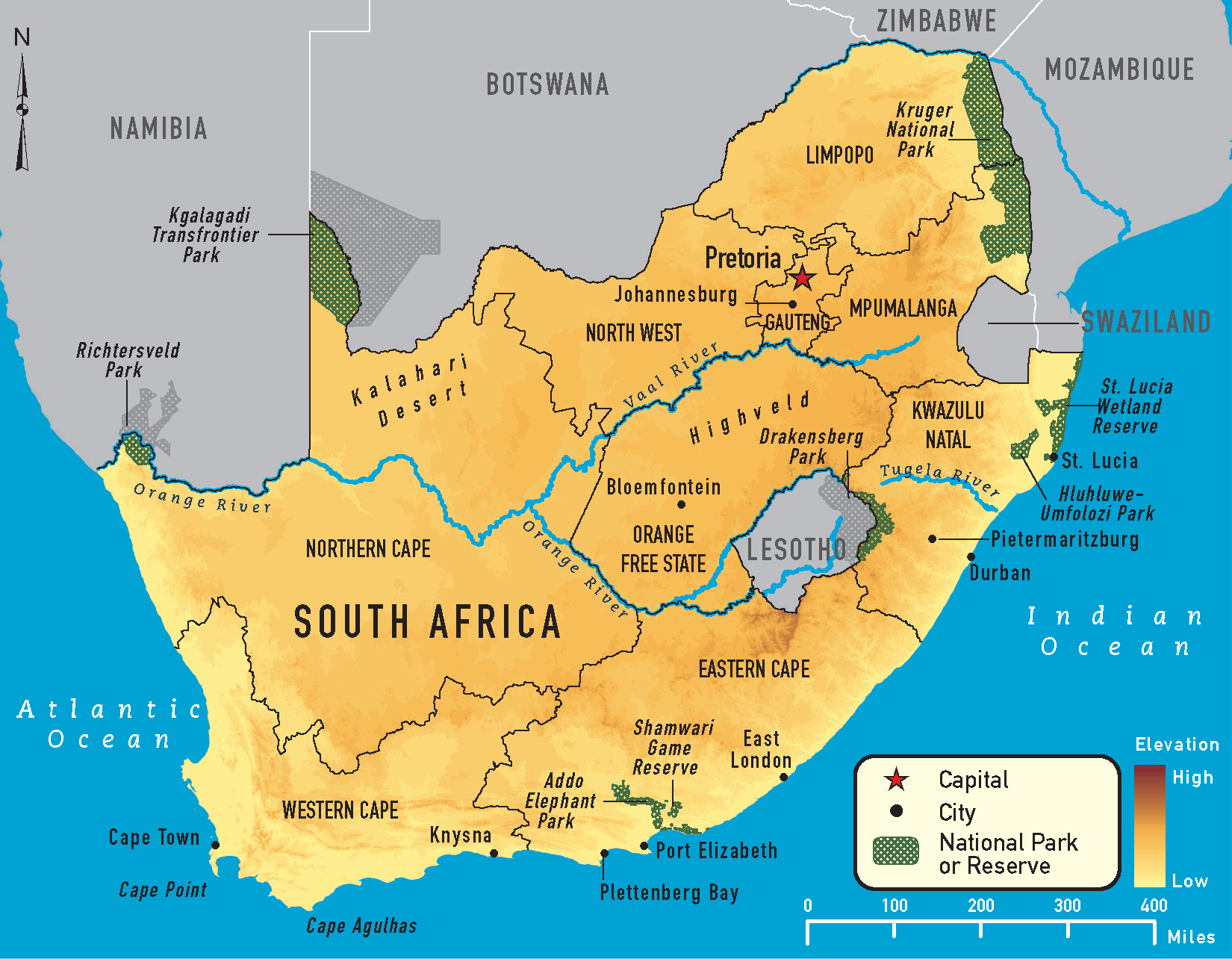
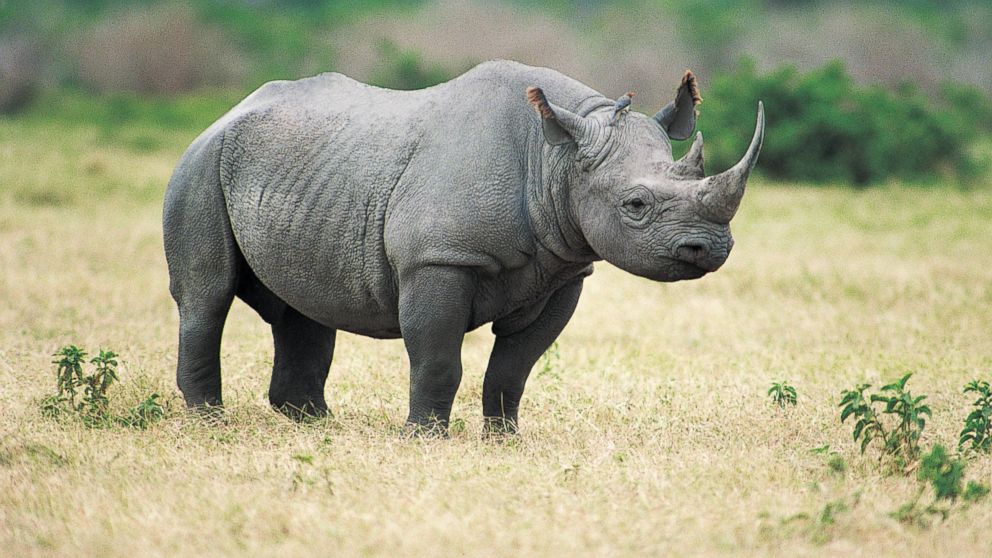
You don't see a lot of poaching in the US, and that is because there are more wildlife animals available in Africa and too many protections in the U.S. Although nearly all African countries experience poaching to some degree, only a few have very severe cases. In this light, which ones have the largest poaching problems? Poachers are found in locations with large populations of valuable animals. Many poacher gangs have been formed in the countries that are most densely populated with rhinoceroses or elephants. The gangs take advantage of the amount of these animals and often kill them in large numbers. An article from ProQuest Research Database, "Dying Horns of Africa," highlights where this is occurring. As made clear by the shrinking number of rhinos, the growth of “organized gangs has devastated Zimbabwe’s rhino population and threatens to wipe out South Africa’s critically endangered black rhinos within a decade." Because of the large amount of rhinos located there, these two countries are centers of gang activity and participation in poaching is at an all-time high. Other African countries often have isolated cases of poachers, but the extent to which animals are killed in Zimbabwe and South Africa are above all others.
South Africa has a particularly extreme amount of poaching, even more so than its neighbor Zimbabwe. In recent years, the country has seen a severe increase in the amount of poaching that takes place. South Africa is home to a vast amount of animals, including rhinos, elephants, and gorillas, all of which used to live there rather safely. The high population of rhinos has thrived there for many years, but in recent times they have experienced death rates like never before. 
With this being said, how can poaching be prevented?

Friday, September 25, 2015

What's to Gain from Poaching?

A shot, a yell, a cry in the distance. People have been poaching animals for a very long time-- it has only been in the past few decades that it has become a severe problem. With the advent of new technology such as fast vehicles and accurate guns, poachers have been able to kill at a rate that has never been seen before. This has translated into the endangerment of many species.

Ivory. Source: afrikareporter.com
However, many may wonder: why poaching? What is there to gain from killing these animals? According to an article and infographic from the African Wildlife Foundation, a not-for-profit organization that seeks to stop poaching, "endangered animals are slaughtered so that a single body part- like tusks, pelt, or bones- can be illegally sold for huge sums of money." (Africa's Poaching Crisis). Most hunters seek to get either ivory or rhino horn. Ivory is the tusk of an elephant and an artistic material, used to carve figurines and jewelry for all kinds of purposes. Rhino horn, on the other hand, is believed to have medicinal properties that can cure ailments anywhere from fever to cancer. Studies have shown that it does none of the above; yet, many cultures still want it based on tradition and personal belief. It is difficult to obtain either of the two because of shortage in supply and high demand, so they sell for extremely large amounts, primarily in Asian countries. This drives an illegal and very active market.
As species get closer and closer to extinction, the resources become more valuable which only causes an increase in poaching. There are various groups that seek to fight poaching, like the African Wildlife Foundation, and take measures to protect a variety of animals as well as using strategies to prevent poaching from happening in the first place.
Future research: Where is poaching the biggest problem, and how does it fit into the economy there?

Friday, September 18, 2015

The Economics of Poaching

Source: abcnews.com

  • Briefly explain why you are interested in studying your topic:  
Over the summer, I read a book (“Ivory, Horn, and Blood”) that sparked my interest in the poaching problem. I want to research this topic for the Passion Project so that I can learn more about the current crisis.


  • The overall question I plan on answering by the end of the project:
How can governments prevent poaching?


  • Sub questions I will need to answer in order to answer the overall question:
Where is poaching the biggest problem?
How does poaching fit into the economy?
What do people gain from poaching?
What have been previous attempts to stop poaching?
Who is currently acting to solve the crisis?
What can I do to help?


  • My plan of research (what specific Library Databases, specific websites, names of authors, people, etc. will I pursue to find the answers to the questions above):

I will most likely will use the database Global Issues in Context as well as ProQuest to search for recent articles concerning poaching. I will also find information from credible organizations such as National Geographic or the BBC. In addition, I will be able to use the book I read, written by Ronald Orenstein, as a source.